How San Diego Basketball Club Teams Help Athletes Reach Their Goals
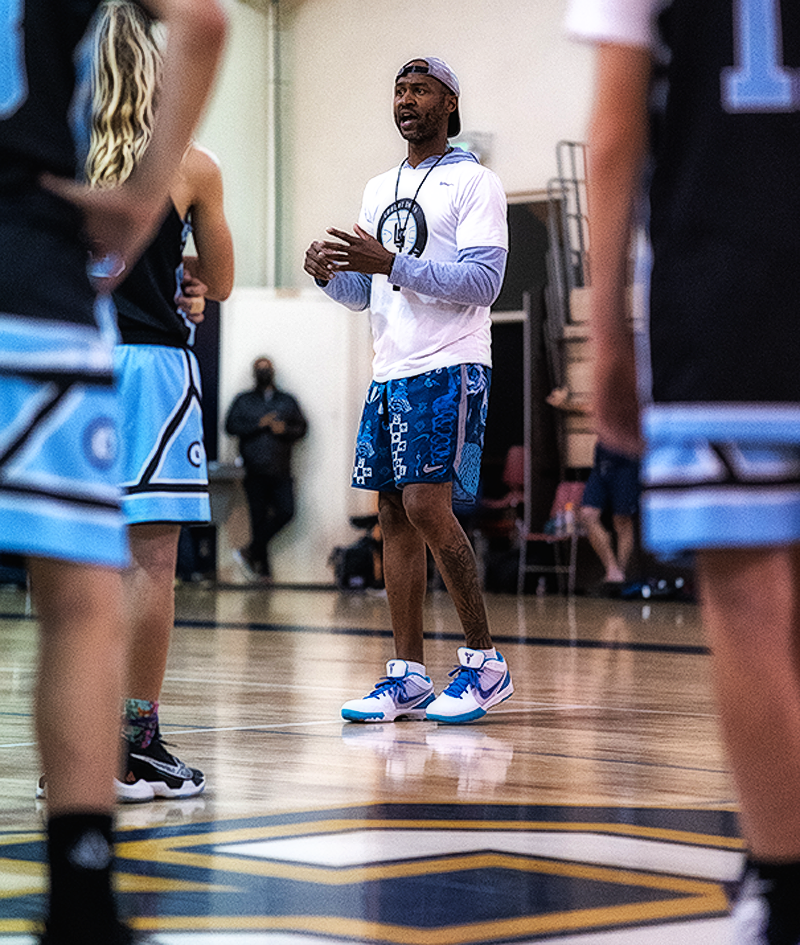
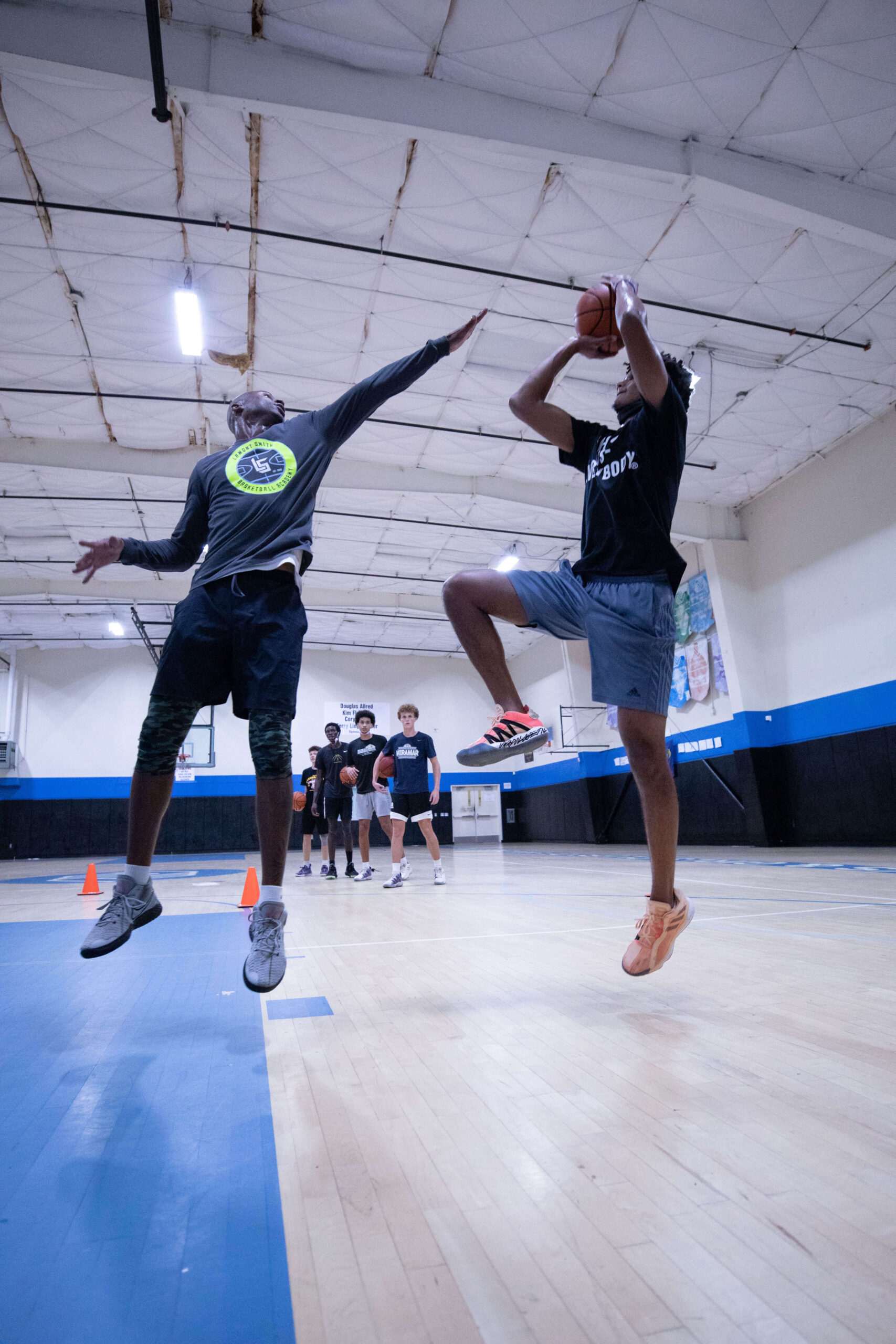
For families trying to map out a young athlete’s future, the phrase club basketball can mean very different things depending on who is saying it. For some, it is a place to chase college exposure. For others, it is where a player finally gets serious about skill work after years of rec league habits. For many athletes in Southern California, it is both. The best Basketball Club Teams San Diego offers are not simply travel programs with matching uniforms. At their best, they are development environments that sharpen skill, test character, and give players a more honest picture of what it takes to improve.
That distinction matters. Plenty of players join a club team expecting instant visibility, more playing time, or a shortcut to recruiting attention. What they usually find instead is a more demanding basketball culture. Practices move faster. Decision-making is judged more closely. Conditioning is no longer optional. Teammates compete for minutes. Coaches expect athletes to absorb feedback and apply it the next possession, not next month.
For the right player, that environment can be transformative.
Why club basketball carries real weight in San Diego
San Diego has a deep and competitive youth sports culture. Basketball here sits in an interesting space. It does not always get the same broad local spotlight as football or baseball, but the talent level can be excellent, and the year-round playing calendar keeps serious athletes engaged. Because the region is close to Orange County, Los Angeles, and the Inland Empire, local club teams are often connected to larger tournament circuits and stronger competition than families might expect.
That access changes development. A player who dominates a local middle school game may discover, in a weekend tournament, that there are guards from neighboring counties who are quicker, wings who are longer, and bigs who can handle the ball and stretch the floor. That kind of reality check can be discouraging for a week, but over the long run it tends to be healthy. Athletes improve fastest when they can see the next standard clearly.
San Diego also presents a wide range of athletes. Some are multi-sport kids still figuring out whether basketball is their best path. Others are deeply invested, training several days a week, reviewing film, and targeting varsity roles or college opportunities. A strong club environment can serve both, but not in the same way. That is why fit matters more than branding.
Better competition changes how players train
One of the most immediate benefits of club basketball is not the games. It is what happens to practice habits when athletes know they will be tested against strong opponents.
In weaker environments, players can hide flaws for a long time. A point guard might survive with a loose handle because local defenders do not pressure the ball. A forward might score in transition without learning how to read help defense in the half court. A post player might never develop footwork because size alone solves the problem. Once club competition rises, those shortcuts stop working.
Good coaches use that moment well. Instead of just saying a player needs to “get better,” they get specific. The guard needs to change pace, not just dribble faster. The wing needs to learn to attack a top foot and finish through contact. The big needs to screen with timing, seal early, and make the simple read when doubled. Improvement becomes concrete.
I have seen players make their biggest leap not because a coach reinvented them, but because stronger competition exposed what actually mattered. A seventh grader who had always been a volume scorer learned that she needed a reliable pull-up jumper because defenders at the club level could sit on her drive. A high school wing with obvious athleticism realized that coaches trusted him more once he defended without gambling. In both cases, the club setting narrowed the focus. Talent became skill. Skill became role.
Athletes learn where they fit, and where they can stretch
A productive club team does more than collect good players. It helps each athlete understand their present role while building toward a larger one.
That balance is harder than it sounds. Many players want freedom before they have earned consistency. Many parents want visibility before their child has embraced the less glamorous parts of the game. Club basketball can bring those tensions to the surface quickly.
On a well-run roster, athletes are forced to reckon with questions that matter. Are they a primary ball handler, or better used as a secondary creator? Are they a mismatch scorer, or more valuable as a cutter, rebounder, and defender? Can they guard multiple positions? Can they stay on the floor when the game gets physical? These questions are not limiting when handled well. They are clarifying.
The best coaches in this space do not trap players inside one label. They give athletes a role they can help with now, while still developing the broader tools they will need later. A freshman may be asked to defend, sprint the floor, and knock down open corner threes because that helps the team win this season. At the same time, that athlete might still spend training sessions expanding their handle and live-dribble passing so they are not stuck as a one-dimensional player by junior year.
That is one of the strongest arguments for quality Basketball Club Teams San Diego families can find. The right program sees both timelines at once, immediate contribution and long-term upside.
The practice environment often matters more than the tournament schedule
Families are often drawn to club programs by their travel calendar, social media presence, or tournament names. Those things are visible, so they get attention. But when evaluating whether a club team will actually help an athlete reach goals, the practice environment deserves more weight.
A player may compete in twenty or thirty high-level games over a season. They will spend far more hours in practices, workouts, and team sessions. If those reps are sloppy, overly passive, or dominated by standing around, the games cannot fix it.
Strong practice environments tend to share a few traits:
- Drills connect to game situations rather than empty movement.
- Coaches teach details, then hold players accountable to them at speed.
- Competitive segments are structured enough to reveal decision-making, not just effort.
- Players receive feedback that is direct but usable.
- Conditioning is built into basketball work, not treated as an afterthought.
When those pieces are in place, players improve even if they are not starring in every weekend event. I have seen bench players on disciplined club teams make bigger long-term jumps than high scorers on disorganized ones. Repetition with purpose compounds quickly, especially from middle school through the early high school years.
Exposure matters, but timing matters more
No part of club basketball gets discussed more than exposure. It is also the piece most likely to be misunderstood.
Yes, club teams can create opportunities for athletes to be seen by high school coaches, prep programs, scouts, and eventually college recruiters. But exposure only helps when a player is ready for it. Being watched is not the same as being recruitable. A player who gets in front of ten coaches before they can consistently defend, communicate, and make basic reads has not gained much.
That is why patient development usually wins out over rushed promotion.
For younger athletes, the first goal is rarely college exposure. It is building habits, gaining confidence against strong peers, and preparing for meaningful high school roles. For high school players, the equation changes. Juniors and seniors with legitimate potential need opportunities to compete in the right settings, against the right level, with coaches who understand how to advocate for them honestly.
Good club coaches do not promise outcomes they cannot control. They can create platforms. They can build relationships. They can recommend athletes when the fit is real. They can help players package film and communicate professionally. What they cannot do is guarantee scholarships or attention.
Families who understand that tend to make better decisions. They stop chasing logos and start asking better questions. Who is developing the athlete? Who is telling the truth about where they stand? Who is putting them in positions that match their current level and future path?
Confidence gets built differently in club basketball
Confidence in sports is often described too loosely. Real confidence does not come from praise alone. It comes from evidence.
Club basketball gives athletes more chances to build that evidence the hard way. They face players they do not know. They play in unfamiliar gyms. They deal with travel fatigue, quick turnarounds, officiating they may not like, and teammates with different styles. A player who performs under those conditions begins to trust their game in a different way.
That confidence is especially important for athletes whose local environment has boxed them into a narrow identity. A player who is “the shooter” on one team may discover she can also defend and make reads in transition. A player known as “the big kid” may learn that footwork and timing, not just size, can make him effective against older competition. Those breakthroughs are often small from the outside. Internally, they can change how an athlete approaches every workout.
Of course, the opposite can happen too. Some players lose confidence when they first enter stronger club settings. Their scoring drops. Their mistakes are more visible. They stop looking comfortable. This is where coaching and family support matter. Early struggle is not proof that a player does not belong. Often, it is proof they have finally entered an environment with enough friction to stimulate growth.
Accountability extends beyond the box score
One of the most useful shifts club basketball creates is moving athletes away from box score thinking. Points still matter, and everyone notices who scores. But on competitive teams, coaches often care just as much about spacing, closeouts, shot selection, transition habits, communication, and possession-to-possession discipline.
That broader lens helps athletes mature.
A player who used to judge every game by whether they scored double digits starts noticing whether they defended without fouling. A guard begins tracking turnovers that come from trying to make the home-run play instead of the right pass. A forward learns that consistent rebounding can earn more trust than forcing contested shots. These are not glamorous lessons, but they are foundational for any player who wants to move up levels.
Accountability also teaches resilience. Club seasons are long enough that slumps happen. Minutes fluctuate. Roles evolve. Teammates emerge. Coaches may challenge an athlete in ways they are not used to. Working through that builds emotional steadiness, which is valuable far beyond basketball.
Families need to judge programs with clear eyes
Not every club team is equally useful. Some are excellent at development but limited in exposure. Some offer strong competition but not much individual teaching. Some are highly organized, while others run on enthusiasm and little structure. A program that works beautifully for one athlete may be wrong for another.
When families evaluate Basketball Club Teams San Diego has available, they should look past marketing language and focus on evidence. Watch a practice if possible. Notice whether coaches teach. Watch how players respond to correction. Ask how minutes are earned. Ask what offseason development looks like. Ask where past athletes actually landed, not where everyone hoped they might land.
It also helps to be honest about goals. If a player mainly needs reps, confidence, and a more serious training environment, the best option may not be the flashiest team. If a player is already producing at a high varsity level and has realistic college interest, then schedule quality and network become more important. There is no universal best program. There is only the best fit for the athlete in front of you.
Here are a few questions worth asking before committing:
- What does player development look like between tournaments?
- How are roles communicated when the roster is deep?
- What level of competition does the team consistently face?
- How does the coaching staff support athletes with school ball goals?
- What are the real annual costs, including travel, gear, and training?
Those questions often reveal more than any highlight reel can.
School basketball and club basketball should support each other
There is sometimes unnecessary tension between school coaches and club programs. In reality, the healthiest athlete development usually happens when both sides complement each other.
School basketball gives players community, identity, and a season tied to their campus. Club basketball can provide broader competition, more specialized development, and added reps outside the school season. Problems arise when the two environments pull the athlete in opposite directions, whether through conflicting expectations, overuse, or poor communication.
Athletes do best when they understand what each setting is for. During school season, the focus may be team role, system execution, and representing the program well. During club periods, the focus may shift slightly toward development, expanded reps, and playing against unfamiliar competition. Those are not contradictory aims. They can reinforce each other if managed properly.
The challenge, especially in basketball-rich regions like Southern California, is volume. Ambitious players can end up playing nearly year-round. That may sound productive, but more games do not always equal more progress. At a certain point, fatigue blunts development. Shot mechanics slip. Small injuries linger. Decision-making gets lazy.
Experienced coaches know when a player needs more competition and when they need recovery, strength work, or individual skill sessions instead. That judgment is one of the quiet marks of a strong program.
Goals differ by age, and the right team adjusts
A ten-year-old who loves basketball, a seventh grader chasing middle school dominance, and a varsity sophomore hoping for college interest should not all be approached the same way. Yet many club environments blur those distinctions.
For younger players, club basketball should be heavy on fundamentals, body control, spacing concepts, and joy. The game needs structure, but it should not feel like a professional grind. Early specialization without balance can drain athletes before high school.
In the middle school years, competition becomes more useful. This is often when players begin separating by pace, confidence, coordination, and feel. A club team can help an athlete understand whether they are relying on temporary physical advantages or building portable basketball skills that will translate later.
By high school, goals become more specific. Some players are fighting for JV and varsity roles. Others are trying to become all-league level contributors. A smaller percentage have credible college aspirations, whether at the NCAA, NAIA, or junior college level. Club programs that serve high school athletes well usually become more honest, not less. They help players identify realistic pathways and the work attached to each one.
That honesty can save families money, time, and frustration. It can also keep athletes motivated because the target becomes visible. Instead of vague dreams, they get measurable steps.
The less visible benefits often last the longest
The obvious outcomes of club basketball are easy to name. Better skill. Better competition. More exposure. Those matter. But some of the most durable benefits are quieter.
Athletes learn how to handle earned criticism without shutting down. They learn to compete for roles without taking everything personally. They learn how to prepare before early morning games and reset after rough performances. They learn that discipline is not dramatic. It looks like showing up on time, listening closely, taking care of the body, and doing simple things repeatedly.
These habits transfer. The player who learns how to manage nerves before a tournament semifinal usually handles school presentations differently too. The athlete who learns to accept a temporary role and keep working often becomes more coachable in every setting. Even those who do not pursue basketball beyond high school can carry the benefits forward.
That is one reason parents often feel the value of a good club experience long after the last tournament ends. The athlete changed in ways the stat sheet never captured.
What success really looks like
Success in club basketball does not always look like a scholarship offer or a championship photo. Sometimes it looks like a player who finally develops a dependable left hand after months of deliberate work. Sometimes it is a freshman who enters high school prepared for the speed of varsity practices because club ball normalized pressure and pace. Sometimes it is an athlete who realizes that their future in the game may be at the junior college level, and embraces that route with energy instead of disappointment.
San Diego athletes have access to real opportunities through club basketball, https://penzu.com/p/cf96cbacbafe6925 but the strongest programs do more than open doors. They prepare players to walk through them with substance. They teach athletes how to compete, how to adjust, and how to keep growing once early talent stops being enough.
That is the real promise of Basketball Club Teams San Diego families should look for. Not hype. Not shortcuts. A setting where goals become clearer, work becomes sharper, and athletes become more capable of meeting the level they say they want.
Lamont Smith Basketball Academy
888 Clairemont Mesa Blvd Suite T-2, San Diego, CA 92123
(619) 639-8778
FAQ About Basketball Club Teams San Diego
How can a player join an LSBA club team?
Players are evaluated during practices so the coaching staff can recommend an appropriate team and development level. Families should contact the academy to confirm current openings and evaluation details.
Are club teams available for newer basketball players?
Yes. LSBA describes multiple levels, including a developmental option for newer players as well as more competitive teams for athletes with prior club experience.
What do LSBA club team practices emphasize?
Practices emphasize basketball fundamentals, team defense, structure, communication, and player development. The specific focus may vary according to the team and experience level.
Do all LSBA teams travel?
Travel expectations vary by level. Some teams focus on local competition, while advanced teams may participate in tournaments elsewhere in Southern California or beyond. Families should confirm the current schedule before enrolling.