Keys to Success with Basketball Club Teams San Diego
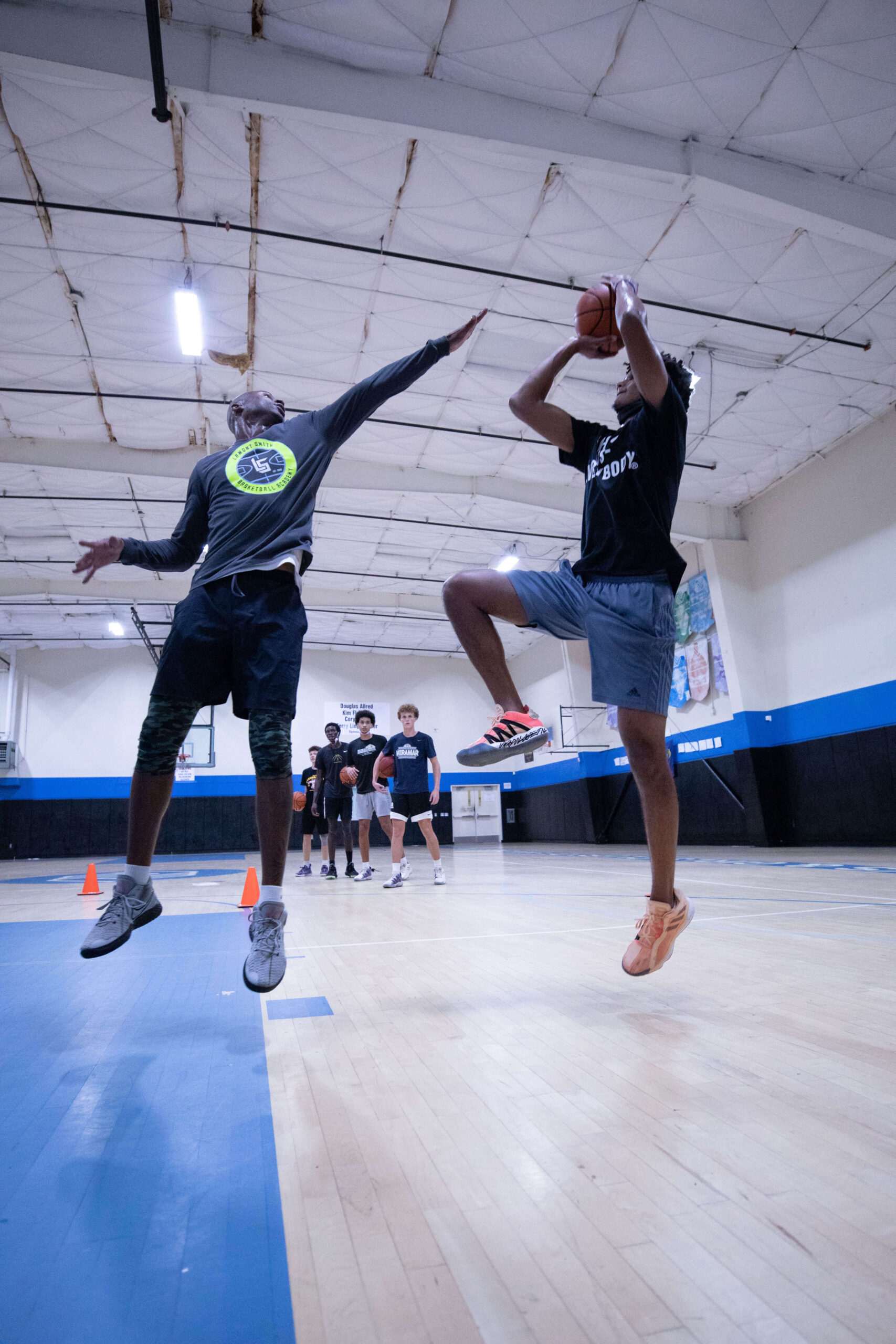
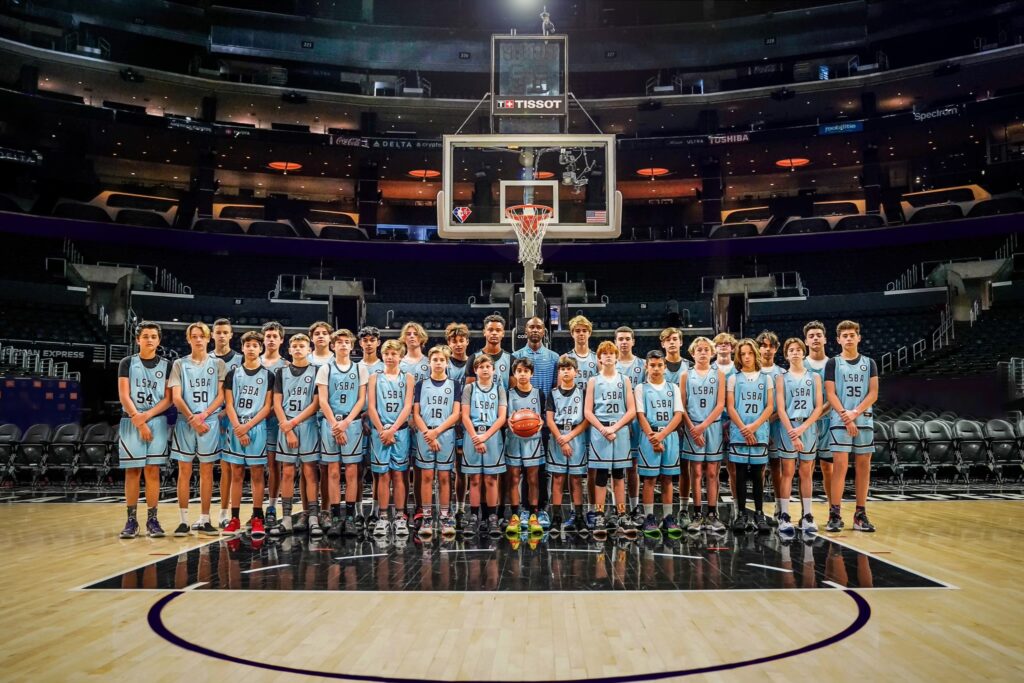
San Diego is a strong basketball city, but it can be a confusing one for families. There are talented players spread across coastal neighborhoods, inland suburbs, and private gyms that seem to run full from dawn to late evening. Some athletes are chasing a varsity role. Some are trying to build a real recruiting profile. Others simply need better coaching and tougher games than a recreational league can offer. The challenge is that not every club program serves the same purpose, and not every player benefits from the same path.
That is where many families lose time. They join the first team that looks organized, travel more than necessary, spend more than expected, and realize months later that the fit was wrong. I have seen capable players stall because they were buried on a roster with no realistic role. I have also seen overlooked players make huge jumps once they found a club environment that valued development, accountability, and smart competition instead of pure hype.
Success with Basketball Club Teams San Diego is rarely about finding the flashiest uniform or the busiest social media page. It usually comes down to alignment. The player, the coach, the team level, the schedule, and the family’s goals all need to fit.
What club basketball actually offers, and what it does not
Club basketball can accelerate growth in a way school ball often cannot. A good club team gives players more repetitions, more teaching, and more exposure to different styles. In one month, a player might face a pressure-heavy backcourt one weekend, a long half-court defensive team the next, and then a skilled shooting group in a tournament setting after that. Those experiences sharpen decision-making faster than familiar local matchups.
Still, club basketball is not magic. It does not automatically improve confidence, create scholarship opportunities, or guarantee meaningful minutes. It can even slow development when players are put into roles that do not match their stage of growth. A sixth-grade guard who needs on-ball reps may not improve much if she stands in the corner all season while older, stronger teammates dominate possessions. A promising big may not develop if every practice turns into uncontrolled scrimmaging with little footwork instruction.
The best families understand the difference between activity and progress. A packed schedule can look impressive, but if the athlete is not gaining skill, composure, and game understanding, the season is not delivering much value.
The San Diego landscape rewards clarity
San Diego presents a unique mix of opportunity and distraction. There are established clubs, startup programs, independent trainers, school coaches with off-season influence, and tournament circuits of varying quality. Geography matters more than some people expect. A family in North County may be looking at a very different weekly routine than one in Chula Vista or East County. Commute times alone can wear a player down, especially when practices start after a full school day.
The strongest club experiences in this area usually share a few traits. They have stable coaching, consistent practice structure, and a clear identity. Some build around defense and transition. Others emphasize shooting and spacing. Some are built for broad development in younger age groups, while others become more selective as athletes enter middle school and high school.
Problems start when a family assumes every program offers the same thing. They do not. In my experience, one of the smartest questions a parent can ask is simple: “What kind of player gets better here?” A direct answer tells you far more than a polished sales pitch.
Start with the player, not the brand
Families often begin the search by asking which club has the best name. That is understandable, but it is the wrong starting point. The better question is what the player needs over the next year.
A point guard who struggles with pace and reads may need a coach who teaches pick-and-roll spacing and rewards good decision-making, even through mistakes. A wing with size but limited confidence might need a team where she can attack, handle the ball, and play through errors. A strong rebounder with raw offensive skills may need detailed post instruction and a team willing to throw the ball inside instead of playing five-out and ignoring interior touches.
That is why the “best” team is rarely universal. I have watched players leave a big-name setup, join a less publicized program, and improve rapidly because they got to play, be coached hard, and take on a real role. I have also seen the opposite, where an athlete dominated on a weaker roster, never got challenged, and developed habits that became a problem once the competition improved.
Success with Basketball Club Teams San Diego starts when families resist comparison and define the actual goal. Is it long-term skill growth? Better competition before school season? Exposure for recruiting? Rebuilding confidence after injury? The answer changes what a smart choice looks like.
Coaching is the real product
Uniforms, tournament banners, and online posts get attention, but coaching is the product. Everything else is secondary.
A strong club coach does more than organize substitutions. Good coaches teach spacing, timing, shot selection, defensive positioning, and emotional control. They know when to demand more and when to simplify. They can explain why a possession failed without embarrassing a player. They also recognize that development is not linear. A player can look terrific in March, struggle in May, and take a major step forward again in July.
When evaluating coaches, watch how they handle dead-ball moments and mistakes. Do they offer specific corrections, or do they just shout “play harder”? Do players know where to stand and what reads they are supposed to make? Are weaker players engaged during practice, or ignored while top performers get all the reps? Those details matter more than a loud sideline presence.
One of the best practice sessions I ever watched involved almost no wasted movement. The coach stopped drills briefly, corrected foot angle on defensive slides, adjusted passing timing in a transition sequence, and restarted. The pace stayed high, but the teaching stayed sharper. By the end of the session, the players looked more connected than when they walked in. That is coaching. It is not glamorous, but it wins in the long run.
Playing time should be discussed honestly
This is one of the hardest topics because families tend to treat it emotionally. Coaches sometimes avoid it because they do not want uncomfortable conversations. That usually makes things worse.
Not every player should expect equal minutes in a competitive club setting. That is reality. But every family should understand the likely role before committing to a season. There is a big difference between “your daughter will be part of the rotation and earn more if she defends consistently” and “your son may mostly practice with the team and see limited game action this season.” Both can be valid situations, but only if they are communicated clearly.
A bench role is not automatically bad. For some players, practicing against better teammates and learning a more advanced pace can be valuable. The issue is whether the role serves development or simply fills a roster spot. If a player is traveling frequently, paying significant fees, and rarely getting meaningful reps in games or practices, the family should question the fit.
A useful rule is this: the player should either be contributing now or growing in a way that points to a bigger role soon. If neither is true, the situation needs a hard look.
Development has to show up in the details
Skill growth is not abstract. It should be visible. Over a season, a player should become more reliable in a few measurable areas. Maybe the handle tightens under pressure. Maybe defensive stance holds longer. Maybe closeouts improve. Maybe shot preparation gets cleaner and faster. Maybe turnover rates drop against athletic teams.
Too many club settings talk about development without building for it. They scrimmage a lot, travel constantly, and leave core weaknesses untouched. That may keep players busy, but it does not always make them better.
The most productive Basketball Club Teams San Diego programs generally separate skill training from game application. They do not assume a player will magically learn to finish through contact just by playing more tournaments. They teach it, rep it, and then demand it in live settings. The same goes for decision-making. A coach who expects guards to read help defense should spend time drilling those reads, not just criticize missed opportunities during games.
Players improve faster when they can connect practice content to game performance. That sounds obvious, yet it is surprisingly rare.
Tournament volume can become a trap
Many families equate more tournaments with more opportunity. Sometimes that is true. Sometimes it is just more expense, more fatigue, and more hotel check-ins.
For younger players, an overloaded schedule can be counterproductive. Development often needs practice time more than nonstop weekend games. A fourth or fifth game in a weekend may not teach much if legs are gone and execution slips into bad habits. Even older players can suffer when every gap in the calendar gets filled with events that offer little competitive value.
This does not mean tournaments are unimportant. They matter because they expose players to pressure, unfamiliar opponents, and performance consequences. But quality beats quantity. A thoughtful schedule with strong local competition, a few higher-level tests, and enough practice time between events usually serves players better than an endless loop of games.
I have seen families proudly mention that their child played sixty or seventy games in a year, only to admit later that the player’s shooting form worsened, confidence dropped, and school-ball performance stayed flat. Busy is not the same as productive.
Parents influence more than they realize
Parents are part of the https://andrennmj161.lumenforgex.com/posts/basketball-club-teams-in-san-diego-and-the-future-of-youth-sports club basketball environment whether they intend to be or not. Car rides, sideline reactions, postgame comments, scheduling pressure, and comparisons with other players all shape the athlete’s experience.
The healthiest families create emotional space around performance. They care, they support, but they do not turn every game into a review session. A player who just had eight turnovers already knows it. A player who missed open shots often needs perspective and reset more than immediate analysis.
That does not mean parents should be passive. Good parents ask smart questions, advocate respectfully when needed, and monitor whether the environment remains healthy. But they avoid making the season heavier than it has to be. Young athletes perform better when they feel guided rather than judged.
Here are a few habits that usually help:
- Ask what the player learned before asking how many points they scored.
- Keep postgame feedback short unless the athlete invites a longer conversation.
- Address concerns with coaches privately, not in front of players or other parents.
- Watch body language, sleep, and mood, not just statistics.
- Revisit goals every few months because players change faster than adults expect.
A calm parent can steady an entire season. An anxious one can make a good team feel impossible.
The right age to chase exposure
Exposure is a loaded word in club basketball. For younger players, it often gets overstated. Elementary and early middle school athletes generally benefit more from skill growth, confidence, and learning to compete than from elaborate recruiting talk. By the time high school years arrive, especially for stronger varsity-level prospects, exposure becomes more relevant. Even then, it only matters if the player can actually perform when seen.
This is where perspective helps. Coaches and scouts notice players who affect winning, communicate, defend, and make sound decisions. Those habits travel better than highlight clips. A player who can guard, pass, and knock down open shots in a structured game often creates more genuine interest than a player with flashy isolated moments and shaky fundamentals.
Families should be skeptical of programs that sell visibility without substance. The gym can be full, the event can be well attended, and none of it matters if the athlete is not ready to capitalize. Exposure is an amplifier. It does not replace development.
Fit matters as much as talent
Every season, there are talented players who never look comfortable. Sometimes it is because they are on the wrong roster. Style matters. Tempo matters. Personality fit matters too.
A player who thrives with firm, direct coaching may struggle under a staff that gives little feedback. Another athlete may shut down under constant public criticism and blossom in a more instructional setting. Some players need structure and defined roles. Others need freedom and creative responsibility.
Team composition also changes everything. If a roster has four ball-dominant guards and your child needs lead reps, that should register immediately. If a team lacks size and your player is a mobile forward who runs hard and rebounds, the fit may be excellent even if the brand is less known.
Families sometimes underestimate this because they focus on level alone. But a strong fit at the right level tends to produce better growth than a poor fit at a supposedly elite one.
What to look for at a tryout
Tryouts reveal more than people think, especially when families stop watching only their own child. Pay attention to how drills are organized, whether instruction is clear, and how coaches interact with players who are not obvious stars. A quality program usually shows its values quickly.
Strong tryouts tend to include purposeful teaching, not just a chaotic sorting process. You want to see whether coaches correct spacing, effort, and decision-making in real time. You also want to see if players are expected to listen, communicate, and compete with discipline. Even small cues matter. Are players standing around for long stretches? Are coaches watching carefully or chatting? Is the environment demanding without becoming reckless?
A single session never tells the whole story, but it gives useful clues. Families should trust what they observe, not only what they are told afterward.
Financial reality should be faced early
Club basketball is expensive. Team fees, uniforms, tournament entry, travel, gas, meals, private training, and missed work hours can add up quickly. For some San Diego families, even a mostly local season becomes a serious commitment. For others, travel-heavy schedules with hotel weekends can become overwhelming by midseason.
There is no shame in treating cost as a major factor. In fact, it is wise. The right program is not the one that stretches a family to the edge if a more practical option offers quality coaching and good competition nearby. Financial stress has a way of leaking into the experience, especially when parents feel pressure to justify every expense.
The best organizations are transparent about expected costs and realistic about optional versus essential extras. Families should ask direct questions. If the answers are vague, that is useful information.
Red flags that deserve attention
Most club seasons include bumps. A bad weekend does not mean a program is flawed. Still, some patterns deserve real concern.
The warning signs that matter most are these:
- Practice lacks structure week after week.
- Coaches promise development but rarely teach specifics.
- Communication about schedules, roles, or fees is consistently unclear.
- Players appear afraid to make mistakes rather than eager to compete.
- Winning seems to matter more than integrity, growth, or player health.
A healthy competitive environment can be demanding. It should not feel manipulative, chaotic, or dishonest.
Injury, burnout, and the danger of year-round sameness
San Diego’s climate makes year-round basketball easy. That is both a gift and a risk. Players can stay active almost nonstop, but nonstop is not always wise.
Overuse issues show up gradually. Sore knees that linger. Tight hips. Lower back irritation. Mental fatigue that looks like laziness but is really depletion. I have seen young players who loved the game at twelve feel strangely detached from it by fifteen because every month looked the same and every week carried pressure.
The answer is not to avoid serious training. It is to train with intention. Recovery matters. Off weeks matter. Playing another sport can help some athletes, especially at younger ages, because it develops different movement patterns and keeps competition fresh. Even highly committed players benefit from phases in the year where the volume changes and the mind gets a break.
The strongest club programs understand this. They push players, but they do not treat exhaustion as proof of commitment.
When it is time to switch teams
Leaving a club team is never an easy decision, especially when friendships are involved. But sometimes a move is necessary. If the player’s role is stagnant, the coaching fit is poor, communication is weak, and growth has stalled, a change can be the most constructive choice.
The key is to separate temporary frustration from long-term mismatch. Every player has stretches where shots do not fall or minutes dip. That alone does not justify leaving. What matters is whether the environment still offers a path forward. Is the coach invested? Is feedback clear? Is the player improving in practice? Is there evidence that patience has value?
When the answer keeps coming back no, families should act decisively and respectfully. A thoughtful switch, made for development reasons rather than emotion, can reset momentum quickly.
The players who tend to thrive
Across many teams and age groups, the players who get the most from club basketball usually share certain traits. They are coachable without being passive. They compete hard without treating every mistake like a disaster. They can handle a role, then grow beyond it. They understand that confidence is built through preparation, not declared on command.
Talent matters, of course. But durable habits matter more than people want to admit. A player who defends every possession, runs the floor, listens, and keeps improving often overtakes a more naturally gifted teammate who resists coaching and drifts through practice.
That is one of the quiet truths behind success with Basketball Club Teams San Diego. The environment matters, the coaching matters, and the fit matters, but the player’s daily approach still drives the result. Club basketball works best when it sharpens discipline and judgment, not just skill.
For families navigating the process, the smartest path is rarely the loudest one. Find coaches who teach. Choose a roster that gives the player a real chance to grow. Keep goals honest. Let development lead the decision-making. When those pieces line up, club basketball becomes more than a busy schedule. It becomes a meaningful stage in a player’s growth, both on the court and well beyond it.
Lamont Smith Basketball Academy
888 Clairemont Mesa Blvd Suite T-2, San Diego, CA 92123
(619) 639-8778
FAQ About Basketball Club Teams San Diego
How can a player join an LSBA club team?
Players are evaluated during practices so the coaching staff can recommend an appropriate team and development level. Families should contact the academy to confirm current openings and evaluation details.
Are club teams available for newer basketball players?
Yes. LSBA describes multiple levels, including a developmental option for newer players as well as more competitive teams for athletes with prior club experience.
What do LSBA club team practices emphasize?
Practices emphasize basketball fundamentals, team defense, structure, communication, and player development. The specific focus may vary according to the team and experience level.
Do all LSBA teams travel?
Travel expectations vary by level. Some teams focus on local competition, while advanced teams may participate in tournaments elsewhere in Southern California or beyond. Families should confirm the current schedule before enrolling.